
Walk/Ways: A Black Feminist Pleasure Syllabus
“Do the work your soul must have.”
REV. DR. KATIE GENEVA CANON
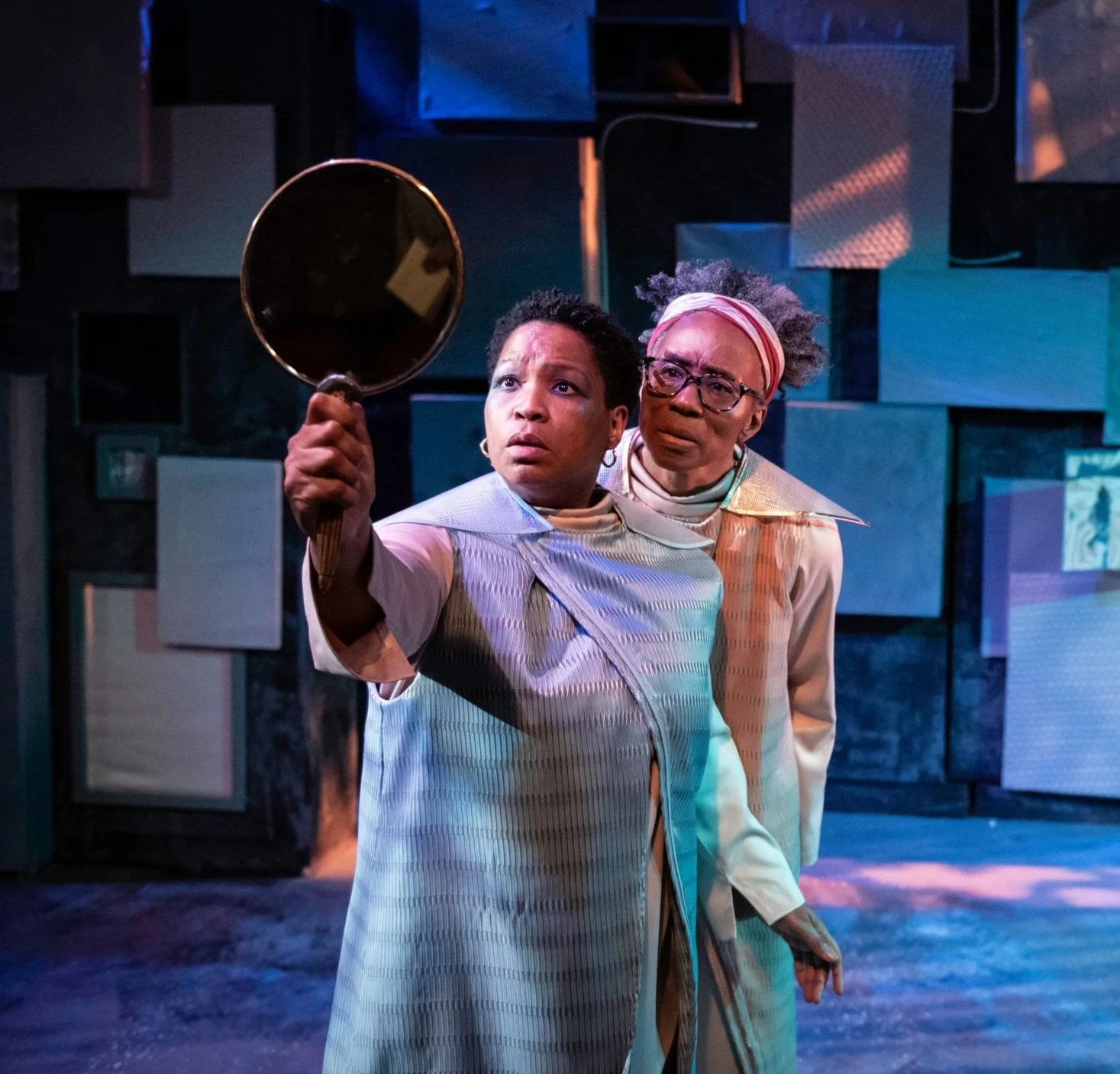
Hey Suga,
Welcome to this sacred space. A place to melt, to relax, to open up, to receive, to give, to think deeply, to become undone, to ask questions, to leave space for silence, to cry, to laugh, to brainstorm new things, or to do absolutely n’athan. Inspired by my teachers and my homegirls, who taught me (and are still teaching me) what it means to live a life guided by joy, by ecstasy, by saying “yes” to whatever it is that my soul most desires, this syllabus, this sketch, this communal learning space, is a space where theory and praxis intersects with pleasure and beauty. Centered around this question of whether my living has to be one of resistance, and questions about Black feminism as an academic project and the possibilities of teaching, learning, and being together in ways that decenter the academy and academic study as the primary place for knowledge production, Walk/Ways: A Black Feminist Pleasure Syllabus emerges. I am a first-year PhD student currently studying at a university facing unrelenting intellectual violence against gender and ethnic studies departments. And while I honor the past and current labor to save those departments (as they are attached to centuries of research, people’s jobs and student’s futures in the fields of Black and Brown studies, women’s, gender, and sexuality studies, it begs another question about what this moment might offer us in developing spaces outside of the institution for maroonage / stealing away / brush harbor classrooms where our ideas can live and multiply outside of the gaze of white institutions. I am also a Southern girl with Atlanta roots, a performance artist, writer, and cultural organizer who is trying to understand what it might mean to claim “artist-scholar” as a marker for my identity in the academy—a place that is not only hostile to Black women like me, but also to performance as a legitimate field of study. If no place is safe for Black women, what strategies can we use (and have used) to move inside and outside those spaces? How can pleasure and beauty be tools that help us navigate inside the belly of beast(s) and imagine the worlds we want to see (Nash)? What happens when pleasure and beauty are made public, when violence is expected? Mostly, my grad school experience is starting off a bit lonely. I moved to a new city, experienced shifts in some really important relationship, and as my institution is attacking AFAM and women’s, gender, and sexuality studies programs, I feel a bit siloed. There is so much horror happening in the world, and to be honest, this feels like the worst time to be committing to study. My heart and spirit is overwhelmed and heavy. But, what I do know is that I need community. Need people. Need folks who wouldn’t mind reading with me, thinking with me, holding space together. I am having some trouble finding scholars and folks who might be good thought partners with me in this moment. I wonder if you might think with me? If you might dive into the sticky with me.
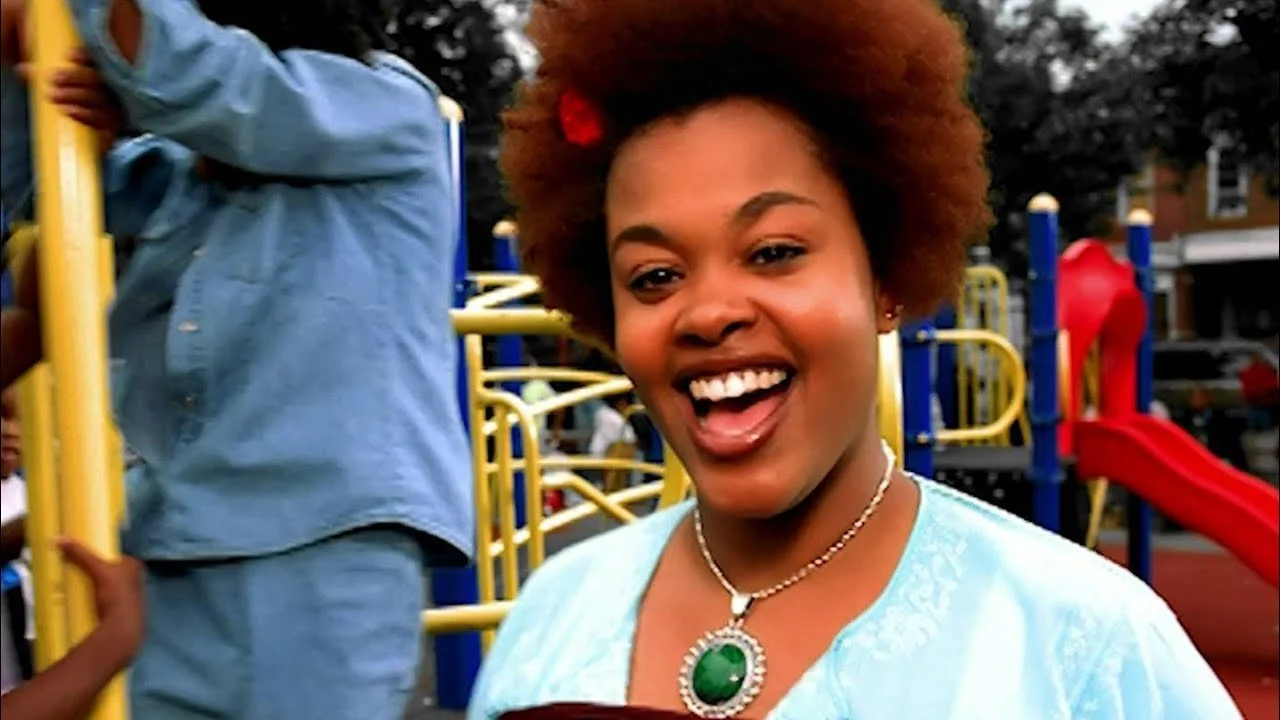
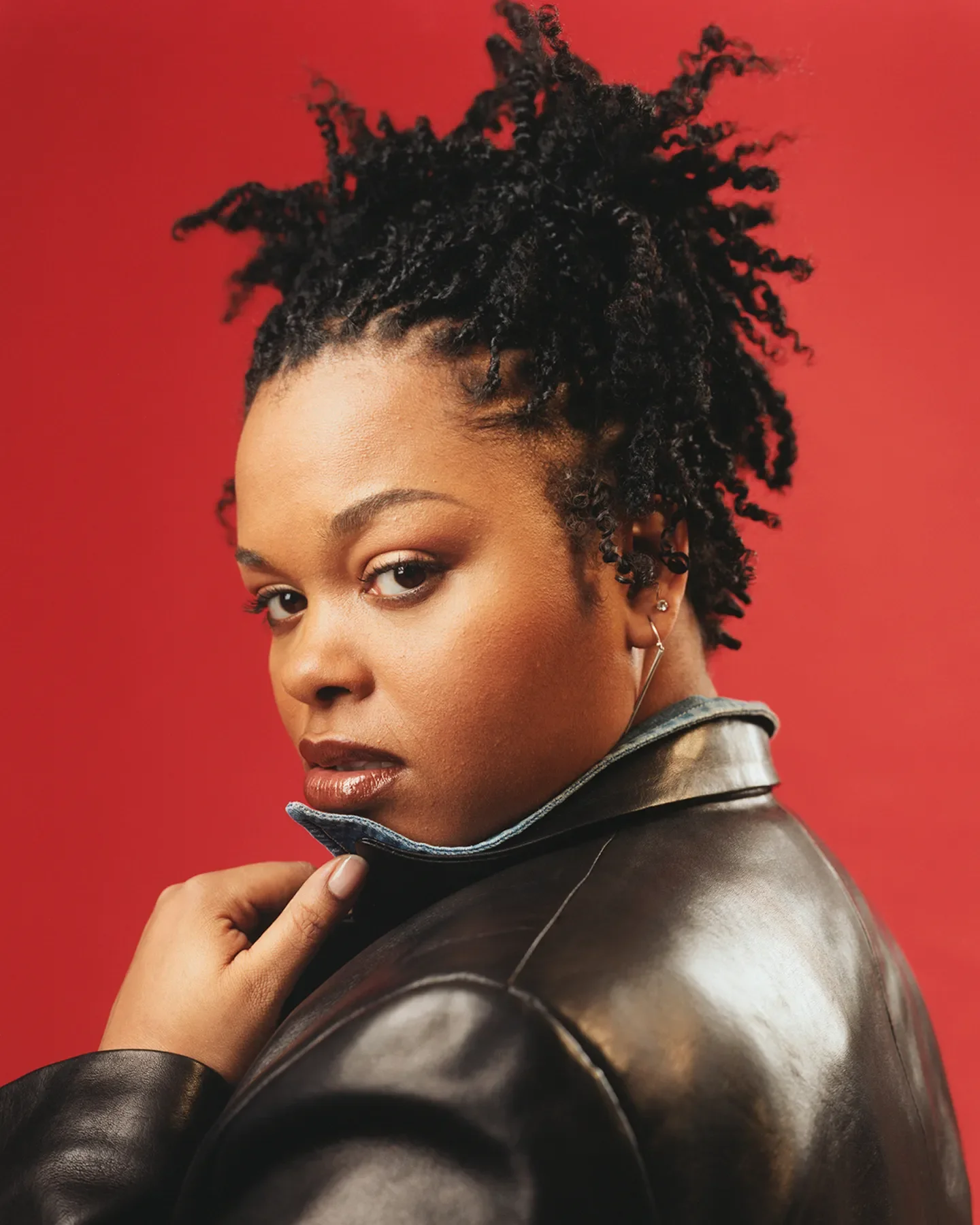
JILL SCOTT. A LONG WALK MUSIC VIDEO. 2001.
LEARNING OUTCOMES
Students will be able to describe
the connection between performance art and political action.
Students will be able to identify and discuss
key concepts and historical movements in Black feminist theory, queer theory, and performance studies as they relate to Black women solo performance in the US.
Students will be able to critically engage
with scholarly texts by key Black feminist scholars, organizers, and artists, through writing and discussion.
Students will be able to apply
Black feminist frameworks to contemporary performers, including Blondell Cummings, Jill Scott, Omi Osun Joni L. Jones, Jenn Freeman/Po’Chop, and Ebony Noelle Gordon.
Students will be able to create a performance work
individually or collaboratively--using queer, Black feminist theories and methodologies as anchors for developing their own performance practice.
Students will be able to establish connections
between interdisciplinary research and artistic practice, aimed at enhancing their own creative expressions.
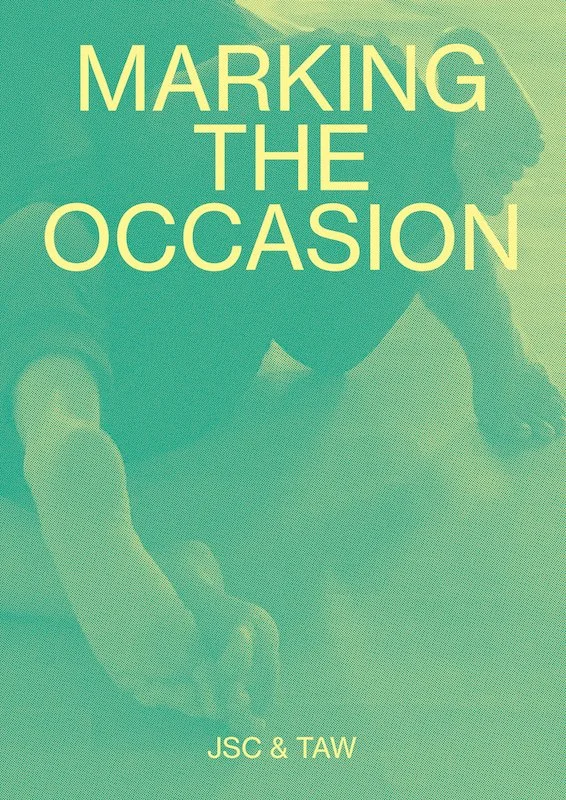
Marking the Occasion, Tara Aisha Willis & Jaime Shearn Coan. 2020. Wendy’s Subway.
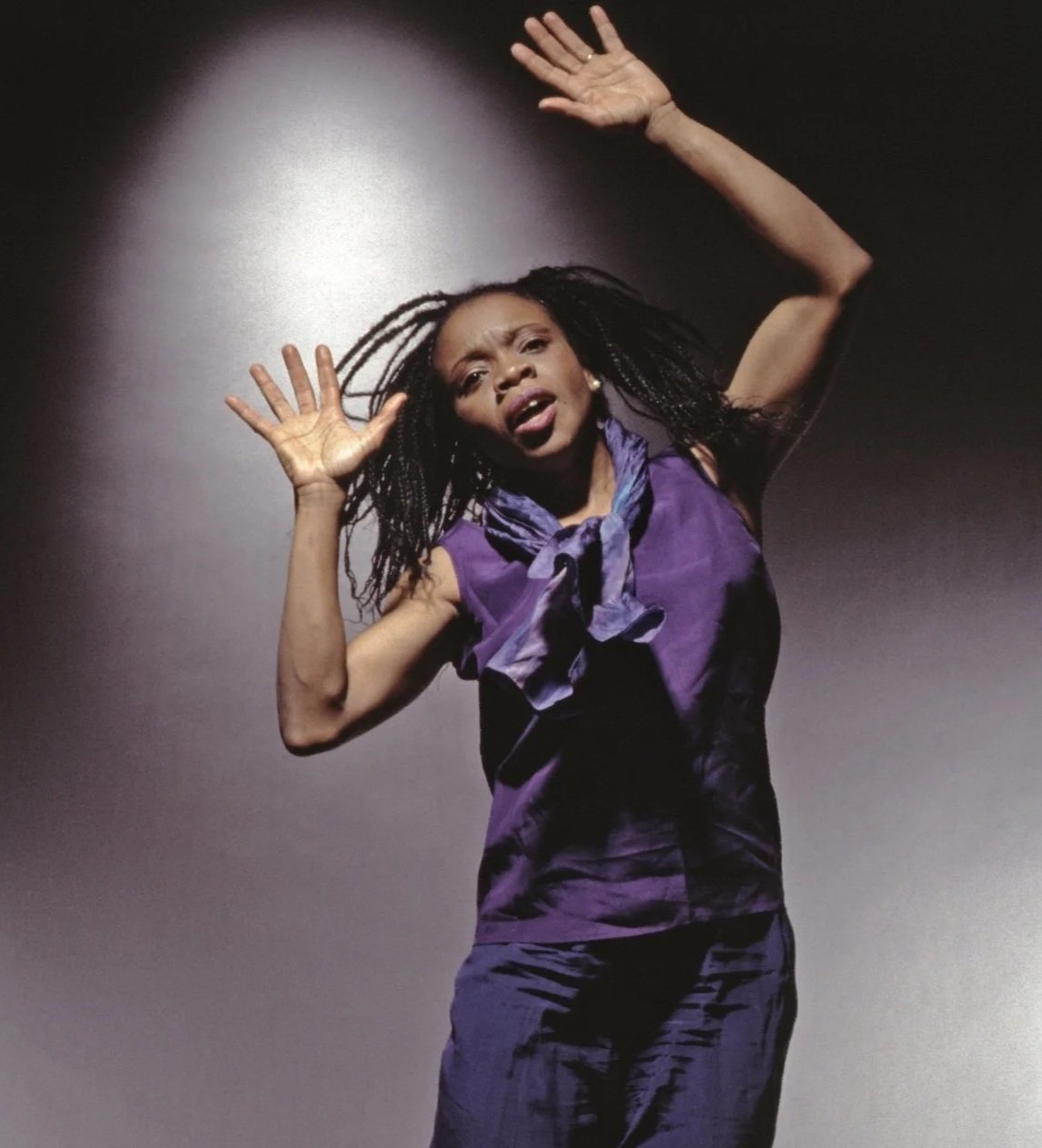
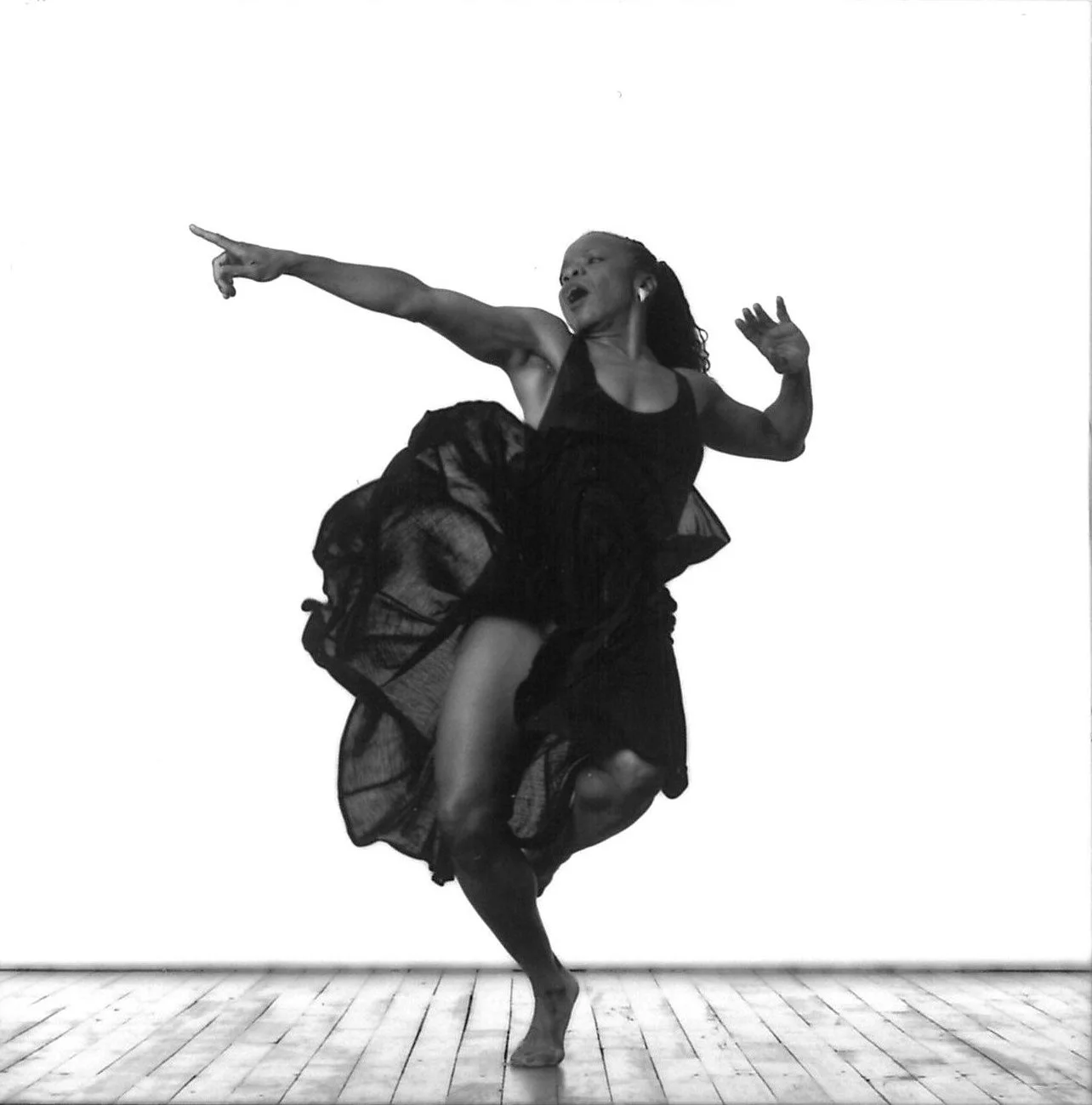
BLONDELL CUMMINGS. COMIMITMENT: TWO PORTRAITS.
TEACHING MODALITY
The class will be split into two sections:
Reading Salons and Studio Days
Reading Salons
are lecture-style sessions designed for students to dive deeper into the assigned readings for the day via in-class discussion and activities.
Studio Days
are creative sessions designed for students to work individually or in groups to develop their performance projects.
All classes will meet in-person in WIN 2.112 unless otherwise stated in the syllabus for off-campus visits to local arts organizations.
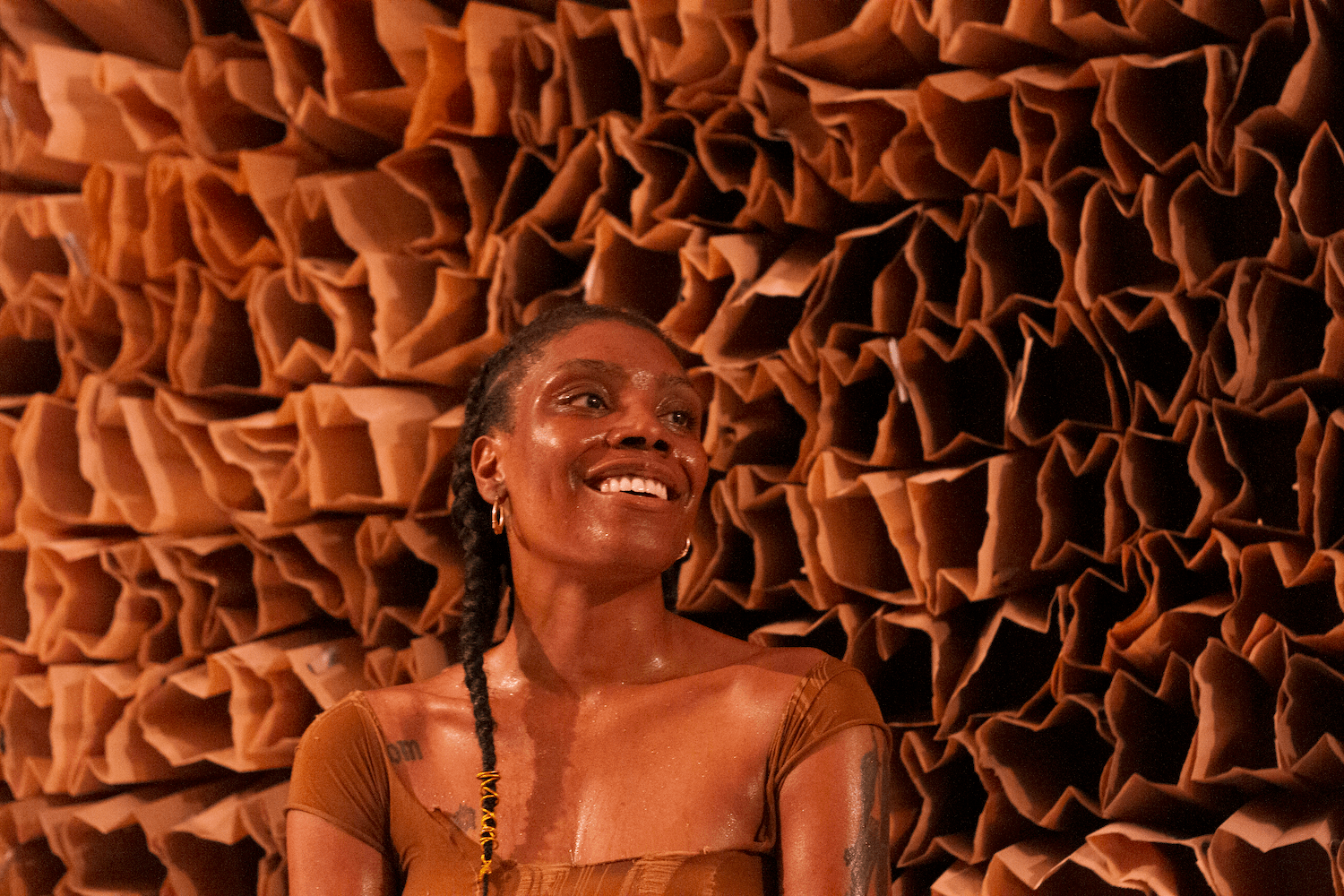
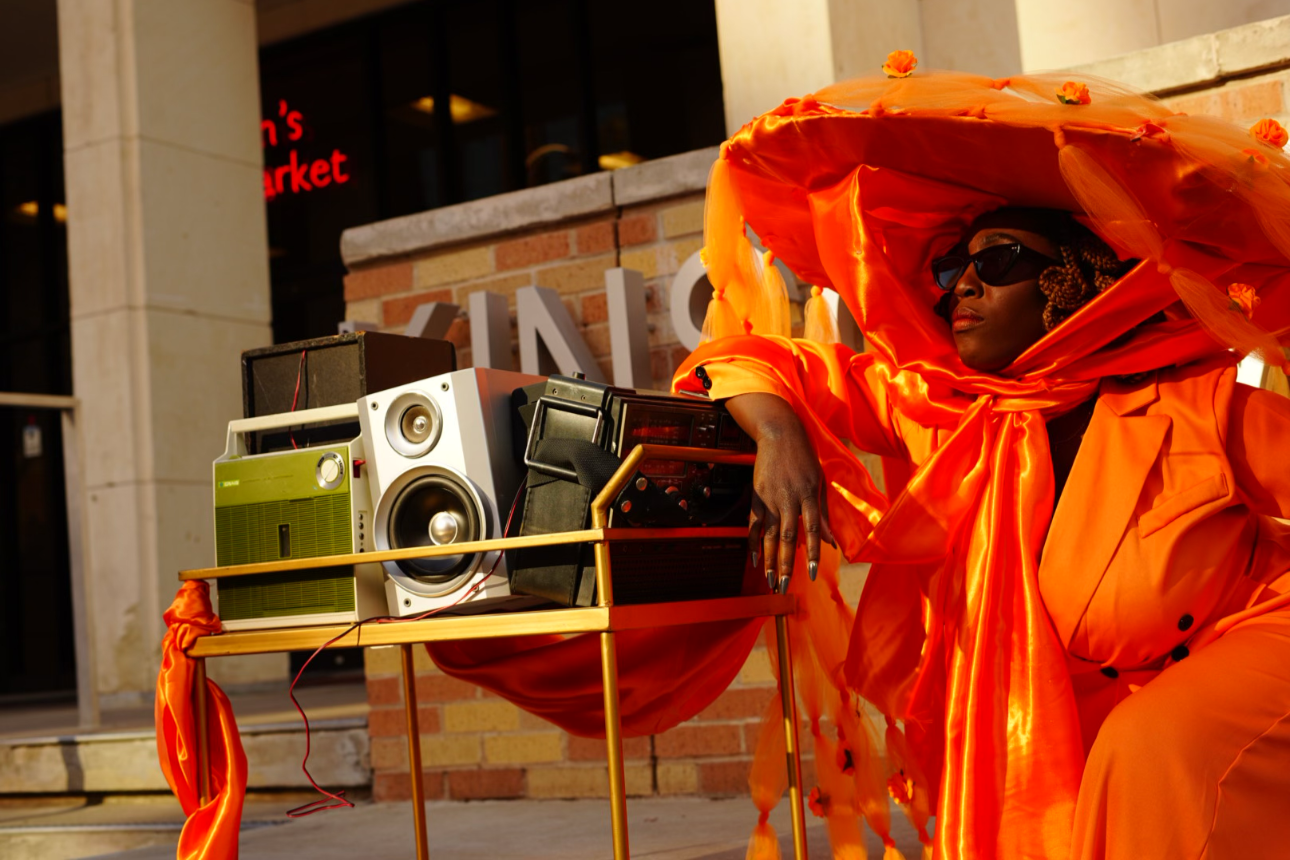
JENN FREEMAN/PO’CHOP. PEOPLE’S CHURCH OF THE G.H.E.T.T.O. (GREATEST HISTORY EVER TOLD TO OUR PEOPLE). 2021.
COURSE REQUIREMENTS
Prerequisites: Students must be juniors or seniors or receive special permission to enroll in this course.
BOOKS
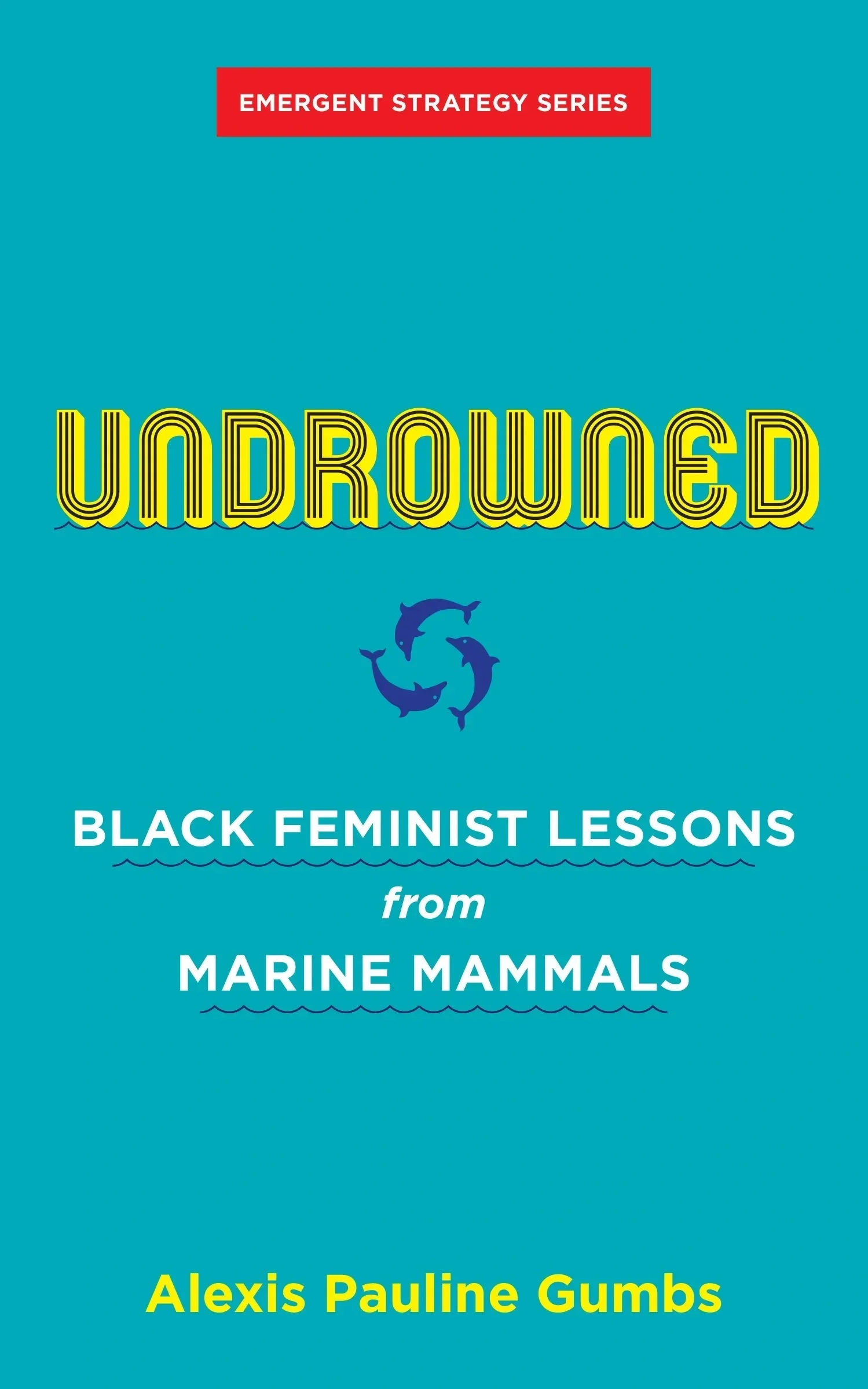
Undrowned: Black Feminist Lessons from Marine Mammals, Alexis Pauline Gumbs, 2020.
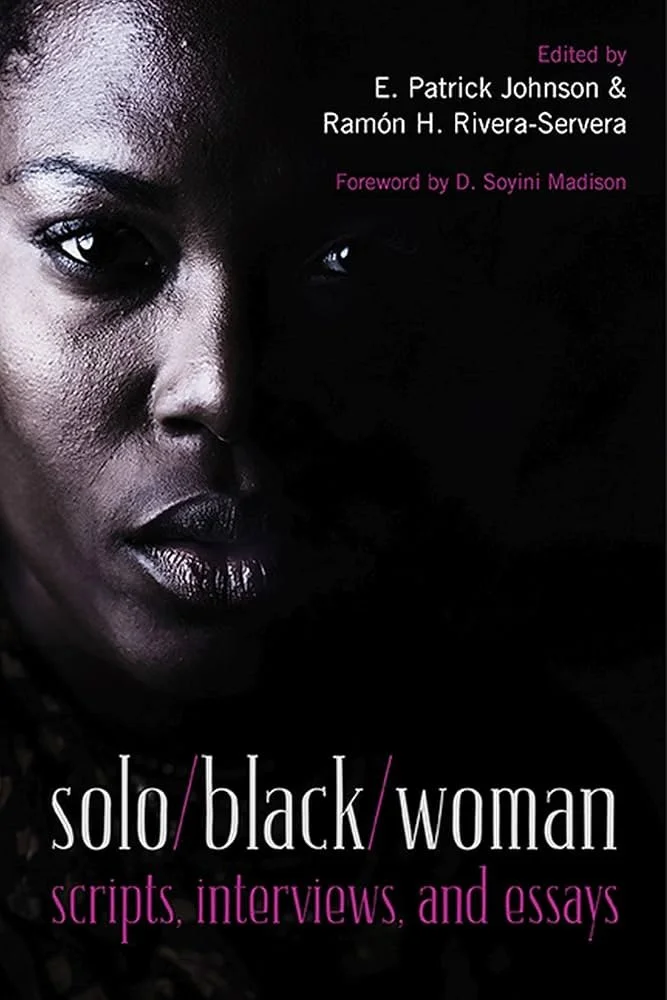
solo/black/woman: scripts, interviews, essays, E. Patrick Johnson & Ramon Rivera Servera, 2013.
MAJOR ASSIGNMENTS
Weekly Journal Entries - (10%) - LO 1, 2
Each week, students will submit a brief 200-word reflection, a 5-10 minute video recording, or a voice memo on the readings. The reflections should include a brief summary of the readings, one question, and a short reflection on how the readings are helping them think about their own performance practice(s).
Participation Grade - (40%) - LO 2, 4, 5
Students will receive a participation grade to assess their ability to contribute to class discussions and actively engage in developing their solo or group performances. Students will be graded based on individual reflective essays (either written or video-recorded) describing how their work has developed over the semester, and a mid-semester reflection essay.
Studio Days - (10%) - LO 3, 4, 5
Around Week 2, students will decide whether to create a solo performance or collaborate with others for a group performance. During the Feminist Praxis Studio days, students will focus on their performance projects, which include scaffolded assignments. At the start of each Studio Day, one student will present a brief creative activation (lasting 30 seconds to 1 minute) to initiate the session, drawing inspiration from the assigned reading of undrowned by Alexis Pauline Gumbs. Students will be assessed on both their creative activation and their engagement in group or individual work.
Solo or Group Performance
Scaffolded Assignments - (40%) - LO 4, 5
Individually or in their performance groups, students will be required to submit reflective assignments that demonstrate progress on their performance project, including a post-performance presentation/talkback.
Week 2: Performance Project Proposal (5%)
Week 4-6: First Project Reflection (5%)*
Week 9: Second Project Reflection (5%)*
Week 14: Public Performance Evening (10%)
Week 15: Post-Performance Presentations/Talkback (10%)
*All students will write a short, individual reflection paper and record a 10-minute video or audio message about the progress of their project, the discoveries and revelations emerging, and how they might connect to the literature or topics from class.
JENN FREEMAN/PO’CHOP. PEOPLE’S CHURCH OF THE G.H.E.T.T.O. (GREATEST HISTORY EVER TOLD TO OUR PEOPLE). 2021.
GRADING SYSTEM
This course offers students the opportunity to learn, create, and experiment in community with others. Therefore, this course will use grading models that align with this learning goal. Students will be graded using a combination of numerical rubrics for each scaffolded assignment and an ungrading system that takes students’ reflective essays and peer and instructor feedback into consideration for the final grade. All these factors will inform how I grade students’ active participation and contributions to our learning community.
Grades are feedback, but they are not a full reflection of who you are as an artist or scholar. That said, I encourage intentional and thoughtful submissions over perfection. Do not underestimate the power of submitting something and letting it go.
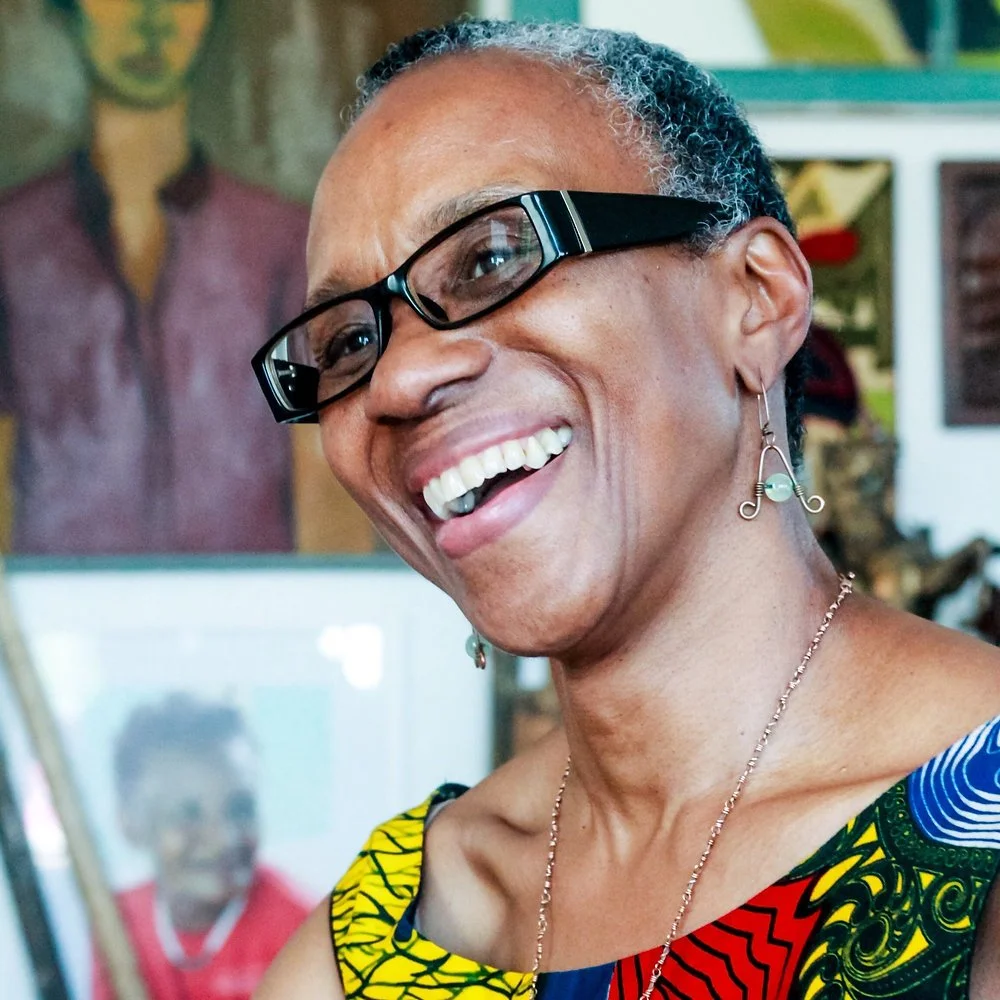
OMI OSHUN JONI L. JONES. THE ANCESTOR & THE ARCHIVE. 2011.
COURSE SCHEDULE
UNIT 1 // BLACK FEMINIST CONSTELLATION
-
Tuesday, January 13 | Introductions / Community Agreements / Syllabus
Thursday, January 15 | Studio Day - Collaboration
Reading:
Article: “Introduction” (undrowned, Alexis Pauline Gumbs, 2020, 5-14)
Article: “Introduction” solo/black/woman
-
Tuesday, January 20 | Reading Salon - The Erotic
Reading:
Article: “Uses of the Erotic: The Erotic as Power” (Audre Lorde, Sister Outsider, 1984 53-59) (skim)
Ohito, E. O., & Loury, A. (2025). “I Write With Intent”: Writing as a Black Feminist Research Method and Route to Intimacy. Qualitative Inquiry, 31(7), 715-726.
“A Map, A Frame, A Moving Picture,” Marking the Occasion, Tara Aisha Willis & Jaime Shearn Coan
Thursday, January 22 | Studio Day
Reading:
Book: “Collaborate” (undrowned, Alexis Pauline Gumbs, 2020, 51-60)
-
Tuesday, January 27 | Reading Salong - Black Feminist Consciousness
Reading:
Book: “Combahee River Collective Statement” (Keeyanga Yamata-Taylor, How We Get Free, 2017, 15-27)
Article: “The Master’s Tools” (Audre Lorde, Sister Outsider, 1984, 110-113)
Explore:
Black Women’s Organizing Archive (Dr. Sabrina Evans, Howard University)
Thursday, January 29 | Studio Day
Reading:
Article: “End Capitalism” (undrowned, Alexis Pauline Gumbs, 2020, 101-107)
-
Tuesday, February 3 | Reading Salon - Black Feminist Creative Imagination
Reading:
Book: “Say Yes to Imagination” (Patrisse Cullors, An Abolitionist’s Handbook: 12 Steps to Changing Yourself and the World, 2022, 85-90
Watch:
"Colored Orneriness”, Rev. Dr. Emilie Townes Lecture, Candler School of Theology, Emory University, 2021
Thursday, February 5 | Studio Day
Reading:
Article: “Listen” (undrowned, Alexis Pauline Gumbs, 2020, 15-20)
UNIT 2 // BLACK FEMINIST IMAGINATION & PERFORMANCE
-
Tuesday, February 10 | Reading Salon - Blondell Cummings
Reading:
Article: https://tiffanyebarber.com/blondell-cummingss-moving-pictures/
Book: “Interview with Robbie McCauley / E. Patrick Johnson” solo/black/woman
Watch:
Blondell Cummings “Chicken Soup” (excerpt) and “Commitment: Two Portraits”
Thursday, February 12 - Studio Day
Guest Artist (Virtual)
Dr. Tiffany Barber, Assistant Professor of African American Art
-
Tuesday, February 17 | Listening Salon - Jill Scott
Reading:
Listen: Jill Scot, Who Is Jill Scott, Vol. 1
Article: “Black Feminist in Public: Daphne Brooks Documents a Legacy of ‘Black Feminist Sound’” | Ms. Magazine Article with Daphne Brooks
Article: “How We Get Off: A Black Feminist Politics of Pleasure,” Joan Morgan
Watch:
Thursday, February 19 | Studio Day
Reading:
Article: “Be Vulnerable” (undrowned, Alexis Pauline Gumbs, 2020, 61-66)
-
Tuesday, February 24 | Reading Salon - Omi Oshun Joni L. Jones & Ebony Noelle Gordon
Reading:
Article: "Introduction,” Theatrical Jazz: Performance Asë, and the Power of the Moment, Omi Oshun Joni L. Jones (skim)
Watch:
Thursday, February 26
Guest Artist (Virtual)
Dr. Omi Joni L. Jones
-
Tuesday, March 3 - Reading Salon: Jenn Freeman/Po’chop / Black Queer Feminisms
Reading:
Article: The Transformation of Silence into Language, Audre Lorde
Watch:
Thursday, March 5 | Studio Day
Reading:
Article: “Be Fierce” (undrowned, Alexis Pauline Gumbs, 2020, 73-82)
UNIT 3 // BLACK FEMINISM AS PRACTICE
-
Tuesday, March 10 - Reading Salon: Black Feminism as Public Practice
Reading:
Article: “Cooperation Racine: A Black feminist ethos in art and action” (Chicago Reader, 2024)
Article: “Art can be a release’: how Black Girls in Art Spaces is bridging cultural gaps”
Book: “Principles in Practice” (adrienne maree brown, Pleasure Activism, 409)
Thursday, March 12 | Studio Day
Reading:
Article: “Stay Black” (undrowned, Alexis Pauline Gumbs, 2020, 131-140)
-
Tuesday, March 17 – No Class
Thursday, March 19 – No Class
-
WEEK 11 - Studio Days
Tuesday, March 24
Thursday, March 26
-
Tuesday, March 31
Thursday, April 2
-
Tuesday, April 7
Thursday, April 9
-
Tuesday, April 14 (Night 1)
Thursday, April 16 (Night 2)
-
Tuesday, April 21
Students who performed on Night 1
Thursday, April 23
Students who performed on Night 2
